In today’s digital landscape, social media has become an essential tool for businesses of all sizes. It allows organizations to connect with their target audience, build brand awareness, and increase customer engagement. However, simply creating social media accounts is not enough. Businesses must implement effective social media marketing strategies to achieve long-term success. Therefore, developing a well-planned approach can help businesses maximize their online presence and generate meaningful results.
Understanding the Importance of Social Media Marketing
Social media marketing involves using platforms such as Facebook, Instagram, LinkedIn, X, and YouTube to promote products, services, and brand messages. Moreover, social media enables businesses to communicate directly with customers and build strong relationships.
As a result, businesses can improve customer trust, increase brand visibility, and drive website traffic.
Setting Clear Marketing Goals
Before launching a social media campaign, businesses should establish clear and measurable goals. For example, some organizations may focus on increasing brand awareness, while others may aim to generate leads or boost sales.
Furthermore, defining objectives helps businesses measure performance and optimize their marketing efforts effectively.
Identifying the Target Audience
Understanding the target audience is essential for successful social media marketing. Therefore, businesses should analyze customer demographics, interests, online behavior, and preferences.
By identifying the right audience, businesses can create personalized content that resonates with potential customers.
Creating Customer Personas
Customer personas represent fictional profiles of ideal customers based on research and data. Additionally, these personas help businesses understand customer needs, challenges, and purchasing behavior.
Consequently, marketers can create more relevant and engaging content.
Using Audience Insights for Better Results
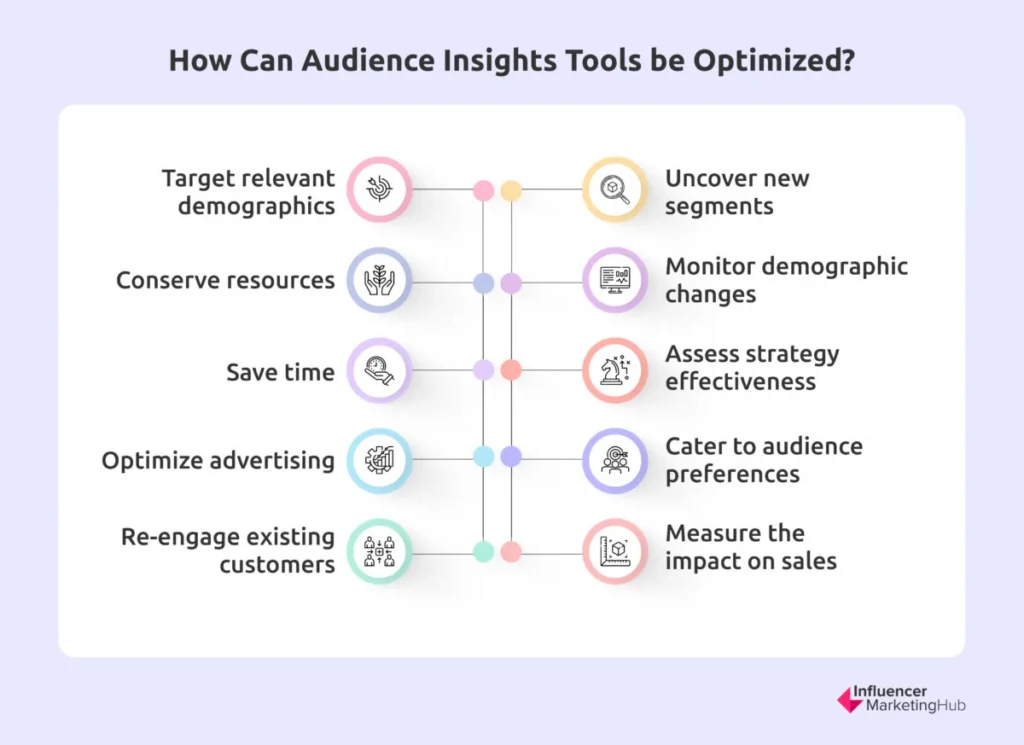
Social media platforms provide valuable audience insights and analytics. As a result, businesses can monitor customer behavior, refine their strategies, and improve campaign performance over time.
Creating High-Quality and Engaging Content
Content is the foundation of every successful social media strategy. Therefore, businesses should focus on producing valuable, informative, and visually appealing content.
Moreover, high-quality content encourages users to interact, share posts, and engage with the brand.
Effective content types include:
- Educational posts
- Videos and reels
- Infographics
- Customer testimonials
- Behind-the-scenes content
- Industry updates
H3: Maintaining a Consistent Posting Schedule
Consistency plays a vital role in social media success. However, posting irregularly can reduce audience engagement and brand visibility.
Therefore, businesses should develop a content calendar to schedule posts in advance. Furthermore, maintaining a consistent posting schedule helps keep audiences engaged and informed.
Leveraging Video Marketing
Video content has become one of the most engaging forms of digital communication. As a result, businesses should incorporate videos into their social media strategies.
For instance, businesses can create product demonstrations, tutorials, live sessions, and customer success stories. Additionally, videos often receive higher engagement rates compared to text-based content.
Engaging with the Audience Regularly
Social media is a two-way communication channel. Therefore, businesses should actively respond to comments, messages, and customer inquiries.
Furthermore, engaging with followers strengthens relationships and enhances customer satisfaction. Consequently, businesses can build trust and encourage long-term loyalty.
Utilizing Paid Social Media Advertising
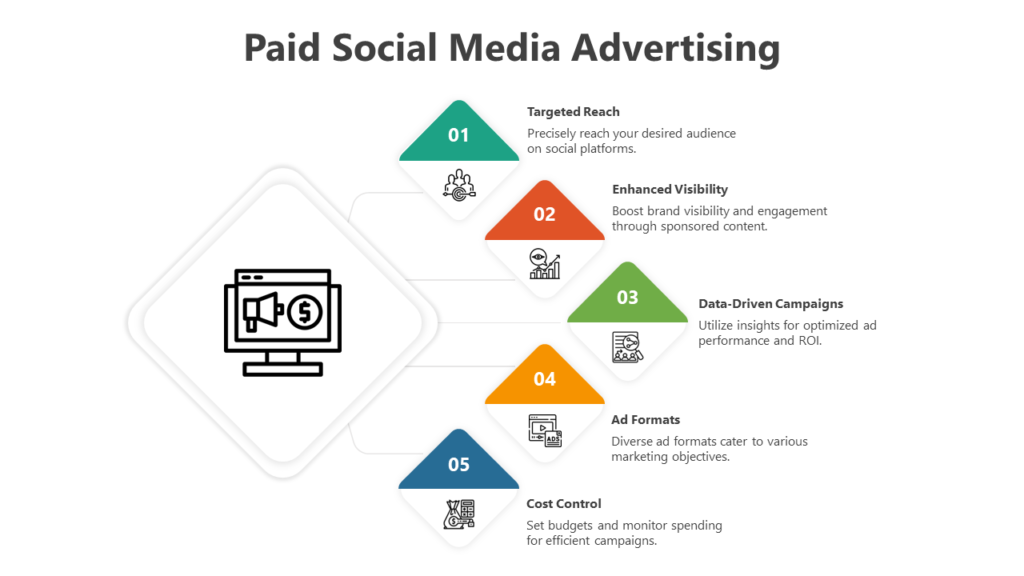
Organic reach alone may not always deliver desired results. Therefore, businesses should consider investing in paid social media advertising.
Platforms such as Facebook Ads, Instagram Ads, and LinkedIn Ads allow businesses to target specific audiences based on demographics, interests, and behavior. As a result, paid advertising can increase brand exposure and generate qualified leads.
Collaborating with Influencers
Influencer marketing has become increasingly popular in recent years. Moreover, collaborating with influencers can help businesses reach larger and more targeted audiences.
However, businesses should carefully select influencers whose values align with their brand. Consequently, authentic partnerships can improve credibility and customer trust.
Monitoring Performance and Analytics
Tracking social media performance is essential for continuous improvement. Therefore, businesses should regularly analyze key metrics such as:
- Engagement rate
- Reach and impressions
- Follower growth
- Website traffic
- Conversion rate
Additionally, analytics tools provide valuable insights that help marketers identify successful strategies and areas for improvement.
Adapting to Social Media Trends
Social media trends evolve rapidly. Therefore, businesses should stay updated with the latest platform features, algorithm changes, and content trends.
Furthermore, adapting to emerging trends can help brands remain competitive and maintain audience interest.
Conclusion
Effective social media marketing requires careful planning, consistent effort, and continuous optimization. By understanding the target audience, creating valuable content, engaging with followers, and monitoring performance, businesses can strengthen their online presence and achieve their marketing goals. Ultimately, implementing these strategies can lead to increased brand awareness, customer engagement, and business growth.