In today’s digital era, businesses and individuals rely heavily on online visibility to reach their target audience. Simply creating a website is not enough; it must be easily discoverable by potential visitors. Search Engine Optimization (SEO) helps websites improve their rankings on search engines, making them more visible to users. By implementing effective SEO strategies, websites can attract organic traffic, increase brand awareness, and achieve long-term business growth.
H2: Understanding SEO and Organic Traffic
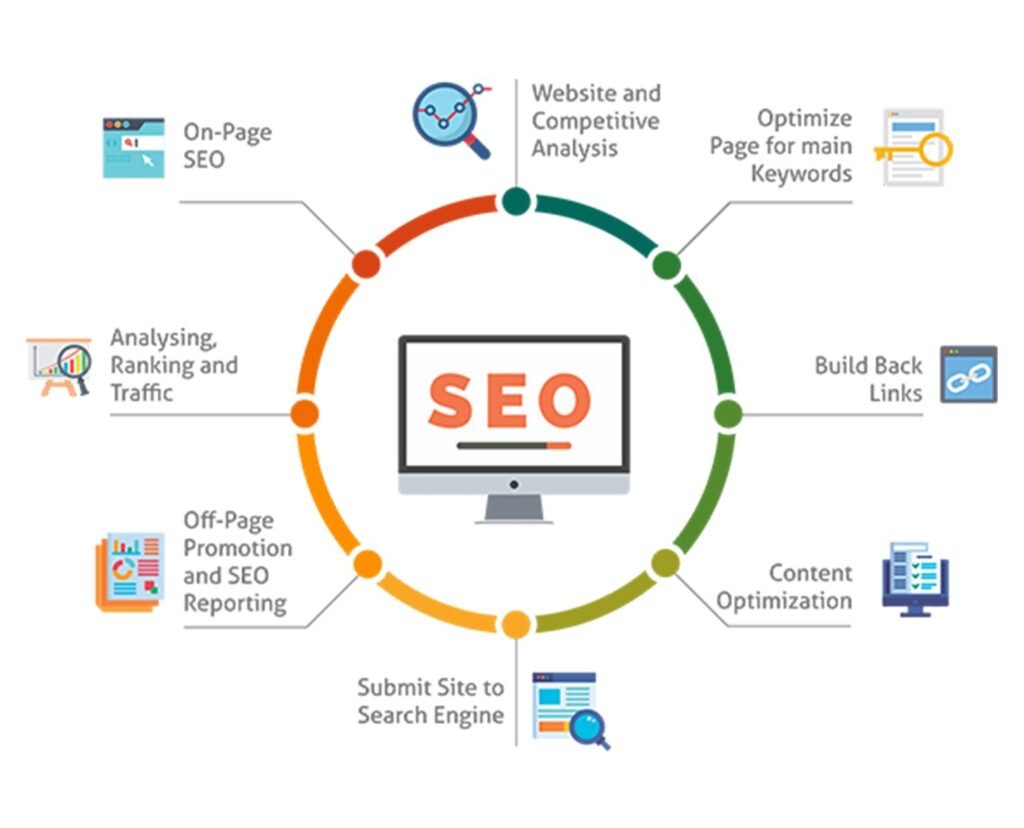
Search Engine Optimization (SEO) is the process of improving a website’s visibility on search engines like Google, Bing, and Yahoo. Organic traffic refers to visitors who reach a website through unpaid search engine results rather than paid advertisements.
SEO helps search engines understand the relevance and quality of a website. When a website is properly optimized, it has a better chance of appearing higher in search results, leading to increased organic traffic.
H3: Why Organic Traffic Matters
Organic traffic is valuable because it attracts users who are actively searching for specific information, products, or services. Unlike paid traffic, organic visitors often have a genuine interest in the content being offered.
Benefits of organic traffic include:
- Cost-effective marketing.
- Long-term visibility.
- Higher credibility and trust.
- Improved conversion opportunities.
- Sustainable business growth.
H4: Organic Traffic Supports Long-Term Growth
Unlike paid advertising campaigns that stop generating traffic once the budget runs out, SEO continues to deliver results over time. A well-optimized website can maintain strong search rankings and consistently attract visitors.
H5: Consistent Visibility Builds Brand Recognition
When users repeatedly see a website in search results, they become more familiar with the brand. This familiarity helps build trust and encourages users to return in the future.
H6: Strong Brand Recognition Improves Customer Loyalty
As brand trust increases, customers are more likely to engage with the business, recommend it to others, and become loyal customers.
H3: Keyword Research Drives Relevant Traffic
Keyword research is the foundation of successful SEO. It involves identifying the terms and phrases users enter into search engines when looking for information.
By targeting relevant keywords, businesses can create content that matches user intent and attracts qualified visitors. Effective keyword research helps improve rankings and ensures that content reaches the right audience.
Popular keyword research tools include Google Keyword Planner, Ahrefs, SEMrush, and Ubersuggest.
H5: High-Quality Content Attracts Visitors
Content plays a crucial role in SEO. Search engines prioritize websites that provide informative, valuable, and engaging content to users.
Creating original blog posts, guides, tutorials, and frequently asked questions helps websites answer user queries effectively. High-quality content encourages visitors to stay longer on a website, which can positively impact search rankings.
To create SEO-friendly content:
- Focus on user intent.
- Use keywords naturally.
- Structure content with headings.
- Keep information accurate and updated.
- Include relevant images and multimedia.
Consistent content creation can significantly increase organic website traffic.
H4: On-Page SEO Improves Search Visibility
On-page SEO involves optimizing elements within a webpage to improve search engine rankings.
Important on-page SEO practices include:
- Writing compelling title tags.
- Creating informative meta descriptions.
- Using proper heading tags (H1 to H6).
- Optimizing images with alt text.
- Adding internal links.
- Creating user-friendly URLs.
Proper on-page optimization helps search engines understand the content and enhances user experience.
H4: Technical SEO Enhances Website Performance
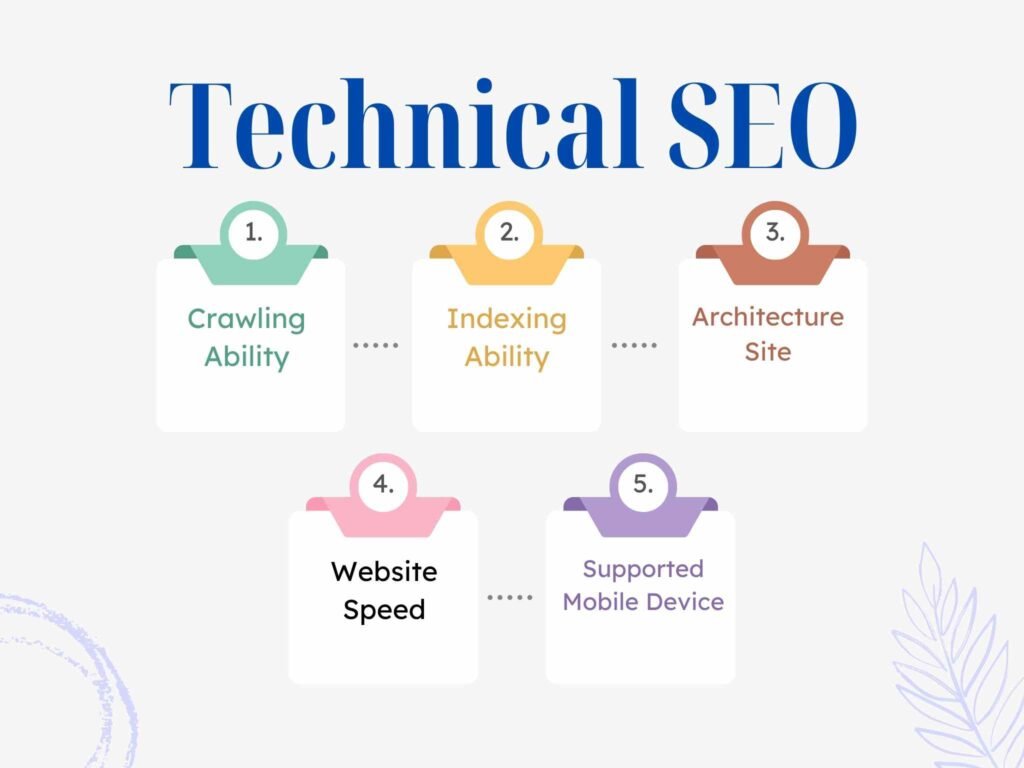
Technical SEO focuses on improving a website’s infrastructure to ensure efficient crawling and indexing by search engines.
Key technical SEO factors include:
- Fast page loading speed.
- Mobile responsiveness.
- Secure HTTPS connection.
- XML sitemap implementation.
- Fixing broken links and errors.
- Structured data markup.
A technically optimized website offers a better user experience and contributes to higher search rankings.
H2: Backlinks Strengthen Website Authority
Backlinks are links from external websites pointing to your website. Search engines view backlinks as signals of credibility and authority.
When trusted websites link to your content, search engines consider your website more reliable, which can improve rankings.
Effective link-building strategies include:
- Guest blogging.
- Directory submissions.
- Social bookmarking.
- Influencer outreach.
- Creating shareable content.
Quality backlinks can boost website authority and drive additional organic traffic.
H3: User Experience Influences SEO Performance
Search engines prioritize websites that provide an excellent user experience. Factors such as website speed, easy navigation, and mobile compatibility directly affect SEO performance.
A positive user experience can lead to:
- Lower bounce rates.
- Increased page views.
- Longer session durations.
- Higher engagement levels.
Websites that deliver a seamless browsing experience are more likely to rank well in search results.
H4: Local SEO Helps Businesses Reach Nearby Customers
Local SEO is essential for businesses targeting customers within specific geographic locations. It helps businesses appear in local search results when users search for nearby products or services.
Local SEO strategies include:
- Optimizing Google Business Profile.
- Using location-based keywords.
- Encouraging customer reviews.
- Maintaining accurate business information.
- Building local citations.
Local SEO can drive highly targeted traffic and increase customer inquiries.
H5: Measuring SEO Success
Tracking SEO performance allows businesses to evaluate their strategies and identify areas for improvement.
Important SEO metrics include:
- Organic traffic growth.
- Keyword rankings.
- Click-through rate (CTR).
- Bounce rate.
- Conversion rate.
- Average session duration.
Tools such as Google Analytics and Google Search Console help monitor these metrics and support data-driven decision-making.
H6: Conclusion
SEO is a powerful digital marketing strategy that drives organic website traffic by improving search engine visibility, enhancing user experience, and delivering valuable content. Through effective keyword research, content optimization, technical improvements, and quality link building, businesses can attract relevant visitors and achieve sustainable online growth.
Investing in SEO not only increases website traffic but also strengthens brand credibility and creates long-term opportunities for success in the digital landscape.
🚀 Successfully completed my blog on **”How SEO Drives Organic Website Traffic”** as part of my On-Page SEO learning.
✅ Created SEO-friendly content
✅ Optimized headings from H1 to H6
✅ Added focus keyword and meta description
✅ Implemented on-page SEO techniques using Rank Math
✅ Improved content readability and SEO score
This task helped me understand how SEO strategies can increase website visibility and drive organic traffic.
#SEO #OnPageSEO #DigitalMarketing #ContentWriting #RankMath #OrganicTraffic #SEOLearning #DigitalMarketingTraining #Kareer9